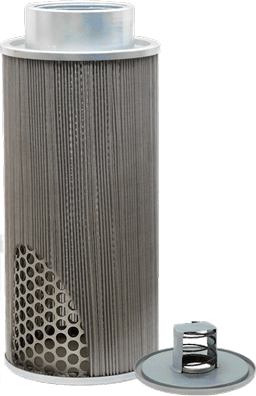
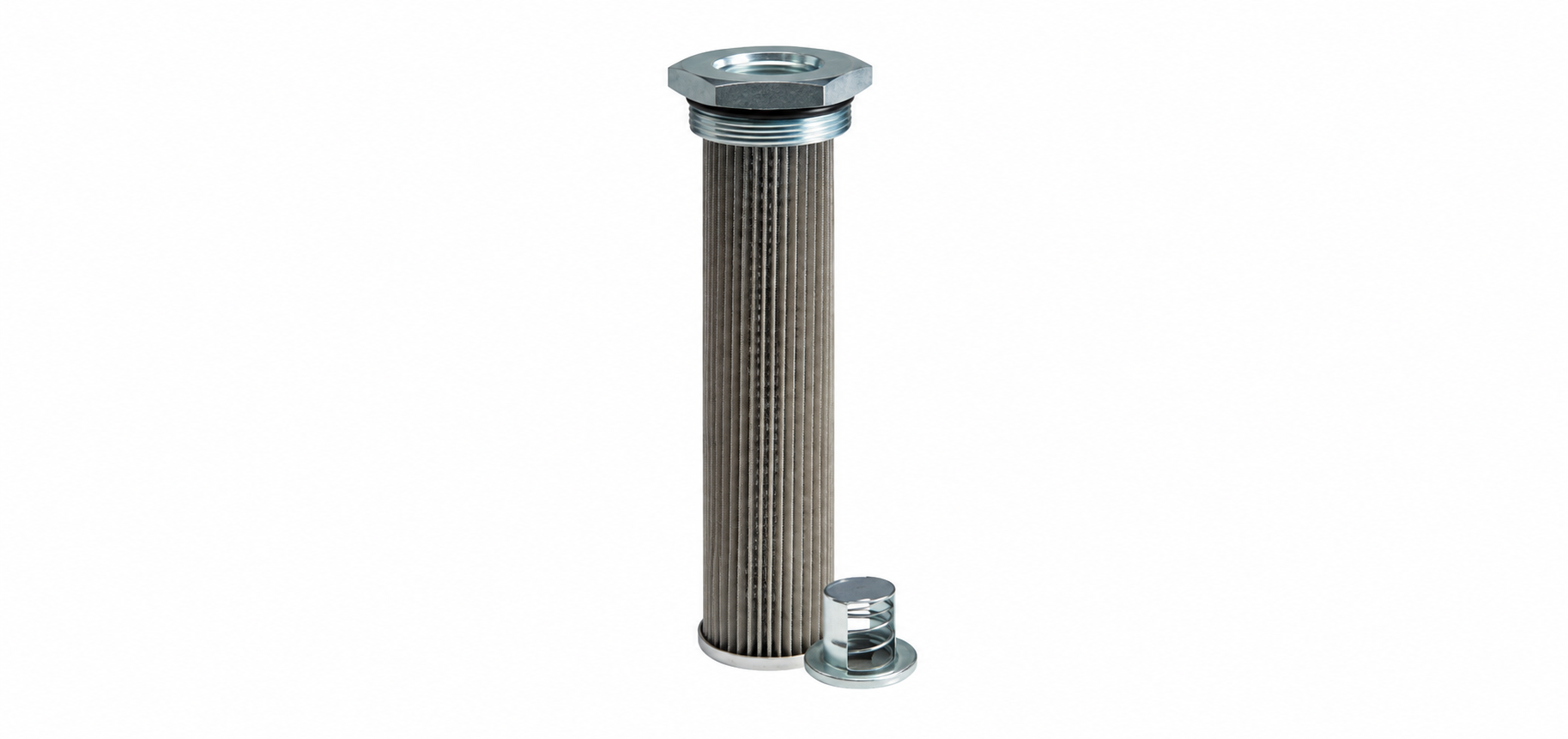
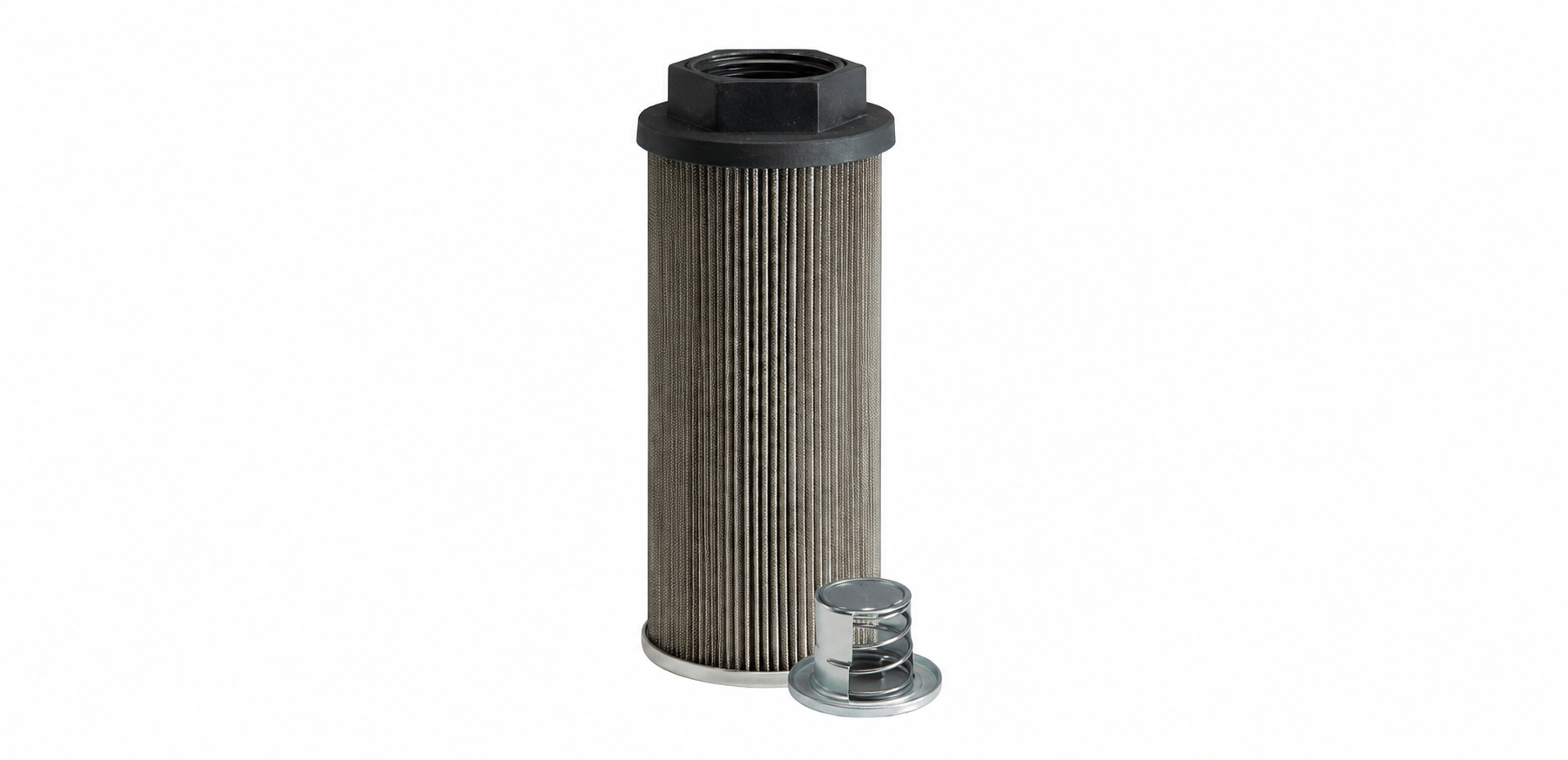
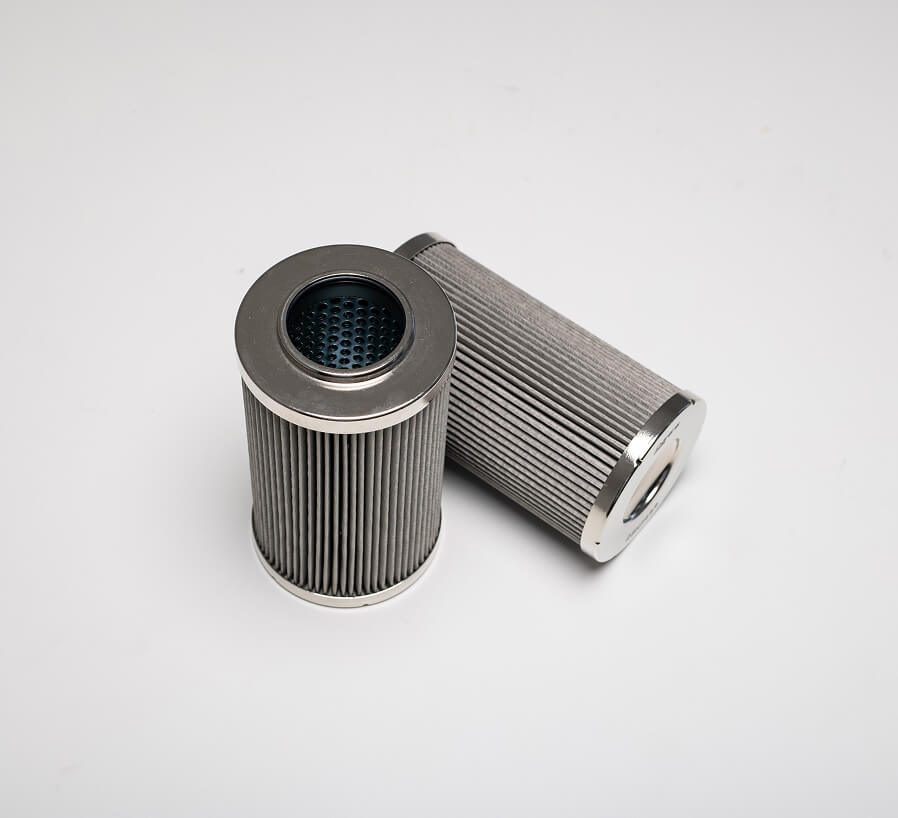
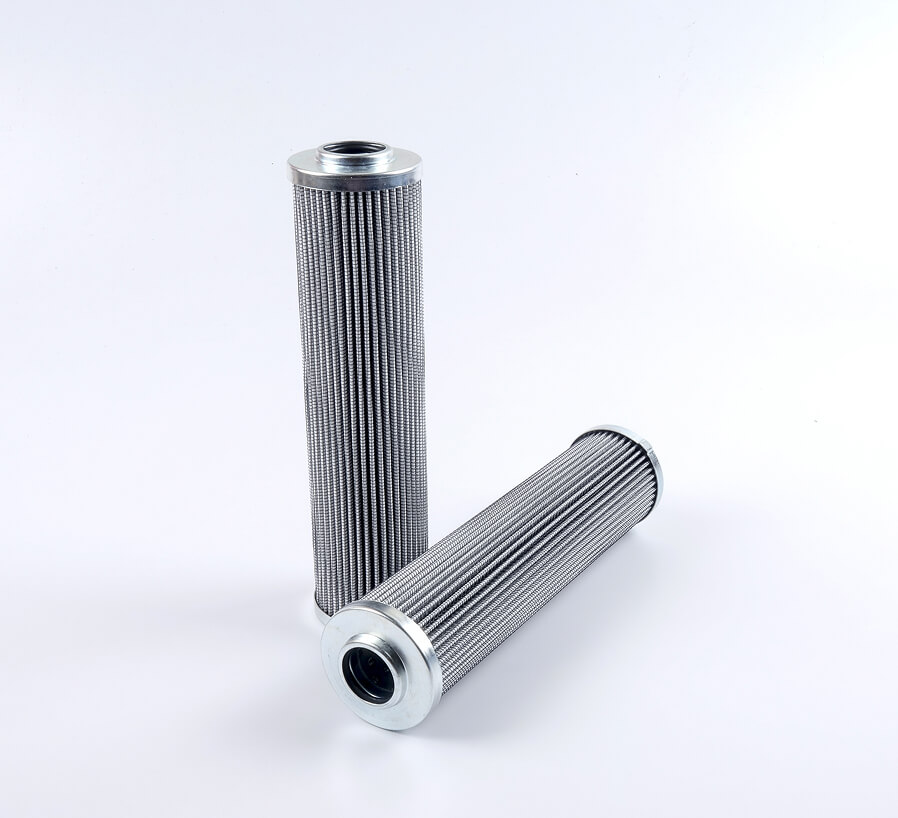
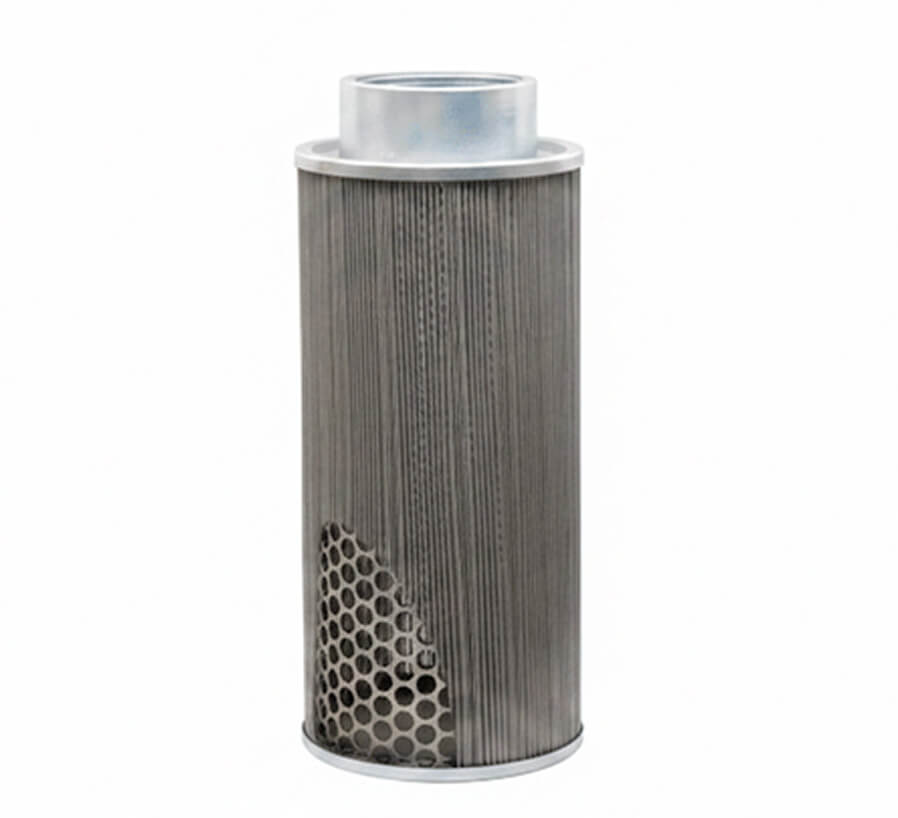
A hydraulic suction strainer sits between the reservoir and the pump inlet, stopping particulate contamination before it reaches the pump. It is one of the most straightforward protection points in a hydraulic system, and one of the most consequential if it is undersized, improperly mounted, or left unserviced.
OFCO manufactures suction strainers across a wide range of configurations: tank mount and in-tank designs, nylon and plated steel construction, and connection options that include hose barb, NPT threaded, SAE straight-thread, and male-to-male styles. Standard flow ratings run from 3 GPM up through 400 GPM for high-volume applications. All products are manufactured in Coshocton, Ohio, under an ISO 9001:2015-certified quality management system.
Use the sections below to find the right strainer for your mounting style, material, and connection requirements. Prefer to talk through the application directly? Call OFCO at 888-354-0291.


The first decision in any suction strainer selection is how the strainer mounts to the reservoir. OFCO offers both major configurations.
Tank Mount Suction Strainers
Tank mount strainers install through the reservoir wall. The suction tube extends below the fluid level inside the tank, with the connection head accessible from the exterior. OFCO’s tank mount line is available in NPT, SAE, hose barb, and male-to-male NPT connection styles, in both nylon and plated steel.
Best for: Industrial power units, mobile equipment, and reservoir designs where external wall access to the connection head is preferred.
In-Tank Suction Strainers
In-tank strainers thread directly onto the suction line inside the reservoir, below the fluid surface. They offer a compact, low-profile installation with no external fittings above the tank. OFCO’s in-tank line includes the H7 and P7 Series in male and female configurations, the PS Series for water and petroleum-based fluids, and the OS Series for high-flow applications up to 400 GPM.
Best for: Applications where reservoir space is limited, inline installations, and high-flow systems where a single large-body strainer is more efficient than multiple smaller units.
OFCO produces suction strainers with two connector head materials. The screen element (wire cloth over a perforated support tube) is consistent across both. What differs is the connection head.
| Feature | Nylon (P7 Series) | Metal (H7 / OS Series) |
|---|---|---|
| Cost | Lower | Higher |
| Weight | Lighter | Heavier |
| Temperature Range | Standard hydraulic operating range | Higher tolerance |
| Chemical Compatibility | Glass-reinforced nylon, Type 6; verify fluid compatibility | Plated steel; broader fluid compatibility |
| Best For | General hydraulic systems, cost-sensitive applications, lighter-duty installations | High-flow, high-temperature, structurally demanding applications |
Connection types available in nylon: Hose barb
Connection types available in metal: Male to female, male to male, hose barb
Connection type is often the first thing a system designer or maintenance engineer locks in. Port size and thread standard are usually defined by the existing plumbing before anything else is specified. OFCO’s suction strainer line covers four connection styles.
Hose Barb
Hose barb tank mount strainers are designed for use with soft tubing and compatible with high-pressure hose lines. The barbed fitting creates a secure grip without threads, making them a practical choice for mobile equipment and lower-pressure installations where flexible hose is already part of the system.
Male to Female (Standard NPT and SAE)
Male-to-female configurations are the most common arrangement for tank mount installations. The male thread on the suction tube connects to the reservoir opening, and the female port at the top accepts the suction line from the pump. Available in both NPT and SAE straight-thread versions to match your reservoir and plumbing standards.
Male to Male NPT
Male-to-male NPT strainers thread directly into the reservoir on one end and connect inline to the suction line on the other. Suited for installations where both connection points use male NPT threads and no adapter fittings are preferred.
Threaded (In-Tank, NPT)
In-tank threaded strainers connect directly to the pump suction line inside the reservoir. No external head, no tank penetration above the fluid level. The H7 and P7 Series cover male and female threaded in-tank configurations in both steel and nylon.
Most standard hydraulic suction screens are rated for 3 to 100 gpm. When you need 400 gpm, it’s tempting to tee four 100 gpm strainers together to cover the flow. In practice, every bend, tee fitting, and additional connection in that configuration adds pressure drop.
Fluid traveling around corners loses energy. Multiply that across a handful of fittings, and you’ve built restriction into the system rather than engineered it out. A single, properly sized strainer eliminates all those extra bends. The target pressure drop across a clean screen is 0.2 psid at 150 SUS viscosity and 100 to 125°F operating temperature with 100 mesh media. That number should be achievable whether you’re running 10 gpm or 400 gpm, as long as the strainer is properly sized for the application.
Matching port size to line size is the starting point. For high-flow installations, these are the factors that determine whether a strainer performs or creates problems:
When standard industrial suction strainers top out before your flow requirements do, the OFCO OS Series is where you go next. The OS line comes in three specific flow rate configurations: 200, 300, and 400 gpm, in 5.9″ and 8.1″ diameter bodies. Connections are 3″ and 4″ NPT nipple or coupling. The filter element is stainless steel pleated wire cloth over a perforated support tube, all epoxy-bonded, providing durability and a large surface area in a compact in-tank package. All OS Series units are manufactured by Ohio Fabricators (OFCO) in Coshocton, Ohio, under an ISO 9001:2015-certified quality management system.
The 5.9″ OS Series is an in-tank design built for high-flow hydraulic applications when a standard strainer isn’t sized for the job. Constructed with plated steel male and female connectors for strength and stability, it handles high-volume fluid flow while keeping pressure drop in check. An optional bypass valve (3 psi or 5 psi) provides a safety fallback, allowing fluid to pass to the pump if the strainer element needs service.


The 8.1″ OS Series offers a larger body diameter and greater screen surface area for applications at the higher end of the 200-400 gpm range. Like the 5.9″, it uses plated steel connectors, is designed for below-fluid-level in-tank installation, and includes the optional bypass valve. This is the strainer for large industrial power units, high-cycle mobile equipment, and any system where flow demands exceed what conventional hydraulic strainers can support in a single unit.
If neither standard OS size fits your design, OFCO can build to your specifications. A significant portion of OFCO’s business is custom-fabricated filtration products, and their team works directly from print or performance requirements to produce hydraulic intake strainers that match the dimensional and flow constraints of the application. Lead times are consistently faster than the industry norm.
OFCO’s team works directly with system designers, maintenance engineers, and procurement buyers to match the right suction strainer to the application. Whether you need a standard OS Series unit from stock or a custom-fabricated solution, call us at 888-354-0291 or contact OFCO online. Standard products ship quickly, and custom orders move fast.